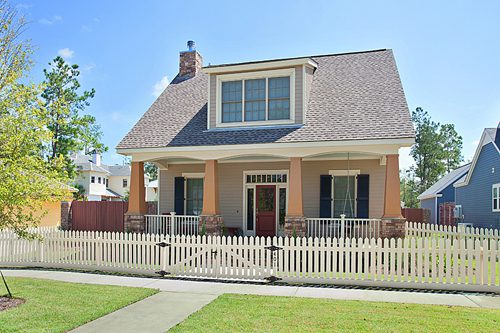
Buying a home can be an
exciting but daunting experience. Getting the right price is just one of
the pieces to the negotiation puzzle. Here are eight things you can
negotiate other than just the purchase price.
Number one is the closing date. Some buyers are in a hurry to close while others need more time. Many don’t realize that the closing date can be negotiated. Buyers might need to move in quickly because of a new job or might need to push the date back because their kids need to finish up the current school year. As long as the date is good for both the seller and buyer the time table can be flexible.
Second comes the closing cost. There are many factors that play into the closing cost. These include the inspection fees, appraisal fees, loan origination fees, recording fees and the lender title insurance.
 The buyer is typically responsible for these one-time fees that are paid
on the closing day. The buyer can negotiate for the seller to pay all
or some of the closing cost. This has become more common as the home
prices have continued to rise.
The buyer is typically responsible for these one-time fees that are paid
on the closing day. The buyer can negotiate for the seller to pay all
or some of the closing cost. This has become more common as the home
prices have continued to rise.
Third are the contingencies. Contingencies are basically an agreement on things that must be met before the real estate contract becomes binding. Contingencies can be based on financing, the home inspection, repairs, appraisals and more. A common contingency is the sale of a potential buyers old home before they can close on the home under contract.
Inspections are the fourth thing on the list and are an important factor when purchasing a home. No buyer should purchase a home without a professional inspection. If a seller refuses an inspection and wants the buyer to purchase as is, this can be a red flag.
The next thing that can be negotiated is repairs. Home inspections are there for the buyer’s protection. They can potentially reveal problems or defects that need to be resolved. The seller and buyer can negotiate who is responsible for repairs and what needs to be completed before the sale is finalized. Ways in which you can work this out with a seller is for them to make the repairs at their cost or negotiate a lower sales price of the home.
Number six is the appliances. Large appliances are usually included in this negotiation tactic. Make sure to ask what appliances the seller is willing to include in the sale of the home. A buyer should always know exactly what they are purchasing. It can work to both advantages. A seller might be willing to negotiate the washer and dryer into the sale or the buyer might want to make sure the seller does not leave a certain large appliance behind.
Seven is the taxes. When a property changes hands, many states require transfer taxes and fees. The buyer or seller can pay these fees. Before a real estate contract goes through, it should be decided who will pay the cost. In a seller’s market, the buyer usually pays the taxes and in a buyer’s market the buyer insists that the seller pays the taxes. A great way to get a leg up on the competition is to offer to pay the taxes as the buyer.
Last is the furniture. Usually the seller takes all the furniture when they sell their home. If a buyer loves the decor or a piece of furniture they can negotiate it into the sale of the home.
When negotiating on the purchase of a home it is always wise to use a Realtor. A real estate agent always has great bargaining skills and can get you the best deal on a home.
Click Here For the Source of the Information.
Number one is the closing date. Some buyers are in a hurry to close while others need more time. Many don’t realize that the closing date can be negotiated. Buyers might need to move in quickly because of a new job or might need to push the date back because their kids need to finish up the current school year. As long as the date is good for both the seller and buyer the time table can be flexible.
Second comes the closing cost. There are many factors that play into the closing cost. These include the inspection fees, appraisal fees, loan origination fees, recording fees and the lender title insurance.

Third are the contingencies. Contingencies are basically an agreement on things that must be met before the real estate contract becomes binding. Contingencies can be based on financing, the home inspection, repairs, appraisals and more. A common contingency is the sale of a potential buyers old home before they can close on the home under contract.
Inspections are the fourth thing on the list and are an important factor when purchasing a home. No buyer should purchase a home without a professional inspection. If a seller refuses an inspection and wants the buyer to purchase as is, this can be a red flag.
The next thing that can be negotiated is repairs. Home inspections are there for the buyer’s protection. They can potentially reveal problems or defects that need to be resolved. The seller and buyer can negotiate who is responsible for repairs and what needs to be completed before the sale is finalized. Ways in which you can work this out with a seller is for them to make the repairs at their cost or negotiate a lower sales price of the home.
Number six is the appliances. Large appliances are usually included in this negotiation tactic. Make sure to ask what appliances the seller is willing to include in the sale of the home. A buyer should always know exactly what they are purchasing. It can work to both advantages. A seller might be willing to negotiate the washer and dryer into the sale or the buyer might want to make sure the seller does not leave a certain large appliance behind.
Seven is the taxes. When a property changes hands, many states require transfer taxes and fees. The buyer or seller can pay these fees. Before a real estate contract goes through, it should be decided who will pay the cost. In a seller’s market, the buyer usually pays the taxes and in a buyer’s market the buyer insists that the seller pays the taxes. A great way to get a leg up on the competition is to offer to pay the taxes as the buyer.
Last is the furniture. Usually the seller takes all the furniture when they sell their home. If a buyer loves the decor or a piece of furniture they can negotiate it into the sale of the home.
When negotiating on the purchase of a home it is always wise to use a Realtor. A real estate agent always has great bargaining skills and can get you the best deal on a home.
Click Here For the Source of the Information.