Showing posts with label FHA. Show all posts

Saturday, February 25, 2023

Homeownership For Retirees

 Homeownership is a big life change and comes with many unique challenges. Keeping up with a home can be daunting and if you are in your retirement years, this might not be how you want to spend them. Owning a home after you retire can affect your health, finances, and your well-being.
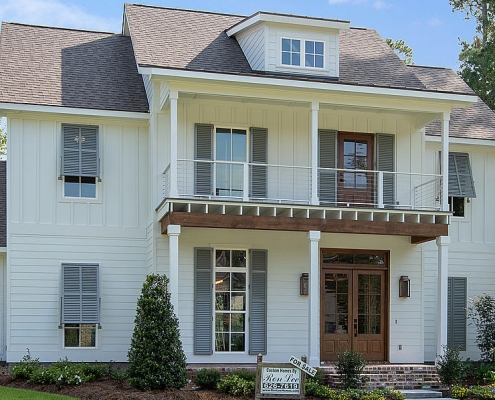
“It’s a complicated question because it involves emotions and decades of memory. Living in the right place can add to your longevity and promote healthy retirement lifestyles. And likewise, the wrong place can shorten your longevity and shorten the aging process. I’ve seen it with my own eyes,” explains Nancy Schwartz, founder and transformational strategist for Envision Healthy Retirement.

Since this can look different for different people, retirement planning should be done on an individual basis. If you are unsure of what do, hire a professional. In the meantime, here are three questions to ask yourself when you are retired and considering homeownership.

1. Can You Afford to Stay in Your Home In Retirement?

Your current financial situation will be the biggest determining factor when asking yourself this question. “If you still have a mortgage on your house, are you going to be able to afford that? If a spouse passes away, can you still afford that once you lose Social Security or if the pension gets reduced?” asks Kimberly Strosnider, president and founder of Estate and Wealth Management Services LLC.

How much money is tied up in your home is another determining factor. It might be in your best interest to sell your home to help finance your retirement. “If you don’t have a nest egg put aside, does it make more sense to sell the home, get a smaller place, and then use the equity to help finance your retirement?,” asks Strosnider.

As an example say you are a homeowner of a million dollar home that you do not want to sell. You cannot bank on that $1 million as discretionary spending but it is holding cost. Think of it as renting to yourself. Remember owning a home has many expenses, so you cannot think of this home as a liquid asset you can leave your children.

2. Is Your Home Set Up for Aging?

If you live in a three story home on a hill, this might not be the best suited home for you to live in as you age. When decided if your home is suited for aging, you need to look at everything from the layout to the size. Look at the accessibility of bedrooms and where you can add safety features to bedrooms and bathrooms. If you have stairs in your home, you might want to factor in getting a chair lift.

Sad to think about, but you need to think about if you have to live in your current home alone, could you keep it up. As you get older, maintenance gets harder. When you are alone, you also would like to live close to friends and family.

3. What Lifestyle Do You Envision in Retirement?

The kind of lifestyle you choose once you retire, will greatly affect the type of home you want to live in. If you want to travel, then a smaller home with less upkeep would be a smart choice. “Many clients who come see me, their number one goal is to travel. How much of a house do you need if you’re going to be traveling a lot?” comments Schwartz.

When making a decision like this, look at all the elements of your personal situation. Not only do you need to look at the practical side, but also how you feel about this decision. Important factors to include are financial, health, family and lifestyle.

“This is a huge decision that can affect your health and longevity. I come back to: Take time, learn all you can, asses it, and make the best decision possible. And then find that love, safety, and belonging in your new or your same home again,” advises Schwartz.


Click Here For the Source of the Information.

Monday, May 10, 2021

NINETY PERCENT OF NEW HOME SALES IN Q1 2021 WERE BACKED BY CONVENTIONAL AND FHA MORTGAGES


The recent Quarterly Sales by Price and Financing, published by the U.S. Census Bureau, was analyzed by the National Association of Home Builders and found
 that conventional loans financed the largest share of new home sales since 2018.

Conventional loans in Q1 2021 were reported at 71.6%, FHA came in at 19.3%, VA loans at 5.3% and cash new home sales were 4.1%. As far as the percentage points increase from Q1 2020, conventional loans rose 2.1 percentage points and FHA-backed sales were up 1.6 percentage points. Unfortunately, VA loans decreased 2.1 percentage points and cash sales dipped 0.9 percentage points.

The four-quarter moving average (MA) of the share of new home sales backed by FHA has increased over the past two and a half years from 12.2% to 18.9%. Conventional loans however have seen a 4.4 percentage points decrease during the same period.
Even with a small increase, interest rates are still at historically low levels. The stock market returns topping 20% from Q1 2020 to Q1 2021 have played important roles in the large increase in the number conventional loan and cash purchases relative to sales financed through the FHA and VA.

Now is a great time to purchase a home with low interest rates and in turn a great time to also sell. The national median sales price for a new home reported was $347,500 and those homes sold back by financing were $386,600.
Click Here For the Source of the Information.

Tuesday, April 20, 2021

High-Performance Home Appraisal Guide

Photo by John Tekeridis from Pexels


High-performance homes are becoming more and more popular, but is the market up to date with appraisals for these specialty homes? Builders, sales agents and homeowners can take several steps to ensure local appraisers, lenders and the general public about what makes your durable, energy-efficient, healthier home stand out from the competition.

Step 1:

Make sure to highlight the home's high-performance features when marketing the home. This can be done by advertising, educating, teaching, highlighting and displaying these high-performance features.

When advertising, make sure to include the features that make the home more comfortable, energy-efficient and water-efficient. Point out how these will help lower utility bills. For tips on verbiage to use or ideas on what to highlight, check out Home Performance Counts.

Educate and teach others about the results of an Energy Rating Index (ERI) which includes the Home Energy Rating System (HERS) score or Home Energy Score (HES). All sales agents and sales staff should know what an ERI, HERS and/or HES rating means and how to articulate the ratings to consumers and others in the industry.

Features such as independently verified green home certifications should be highlighted in the marketing materials. The National Green Building Standard is a great example that should be put on flyers and web pages. During open houses, display the ERI, HERS or HES ratings and an explanation of the potential energy savings. Also, display certification plaques that show the home is approved by the National Green Building Standard.

Step 2:

Buyers should choose a lender who is familiar with high-performance homes. Local mortgage lenders who have a separate appraisal panel of trained professionals with experience valuing high-performance homes are critical to get the value your above-code home deserves. It is important for a lender to choose an appraiser that is on the Appraisal Institute’s green registry. This way both the lender and appraiser will not be hesitant to appraise the home higher for its energy-efficient upgrades.

Step 3:

The sales contract for a high-performance home should include Residential Green and Energy Efficient Addendum. What this means is the high-performance features that are behind the walls and cannot be seen will be included. This documentation will help the appraiser fully understand the higher price when it comes to an above-code home.

Step 4:

Just like interviewing a sales agent, interview the appraiser before you choose them to appraise the home. Not only ask about their appraisal experience but also ask if they are familiar with ERI scores and HERS ratings. Find out what classes or courses they have taken on high-performance valuation.  The Federal Housing Administration, the U.S. Department of Veterans Affairs, Fannie Mae and Freddie Mac all require that the appraiser has requisite knowledge prior to accepting the assignment, and the only way to enforce that is to ask about their knowledge and experience upfront.

Including these steps in the appraisal process will ensure a high-performance home will be given the right amount the home is worth. Choosing a sales agent who is versed in energy-efficient homes will help buyers with the home buying process.

Click Here For the Source of the Information.